Guidelines for Construction Site Security

Ensuring proper construction site security is vital for protecting workers, materials, and equipment. For companies in floor construction and other building trades, maintaining a safe and secure site not only prevents losses but also supports productivity and project success. Below are key guidelines for strengthening construction site security and building a culture of safety and accountability.
1. Secure the Site Perimeter
A strong perimeter is the first step toward effective construction site protection.
-
Install sturdy fencing with lockable gates around the entire site.
-
Use motion-activated lighting and clear signage to deter trespassers.
-
Limit access points to reduce the risk of unauthorised entry.
In flooring construction, where valuable materials and tools are often stored on-site, perimeter security helps prevent theft and vandalism.
2. Implement Access Control Systems
Controlling who enters and exits the site is essential for both security and safety.
-
Issue ID badges to all workers and contractors.
-
Maintain a sign-in/out log or use digital access control systems.
-
Escort visitors and suppliers while on-site.
This ensures accountability and helps supervisors track activity, reducing the risk of theft or accidents.
3. Use Surveillance and Alarm Systems
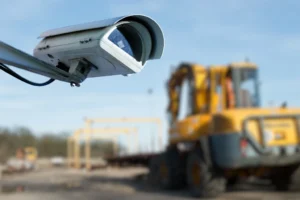
Modern technology plays a key role in construction site security management.
-
Position CCTV cameras in high-traffic and storage areas.
-
Use cloud-based monitoring systems for remote access.
-
Install alarms that detect movement after hours.
Continuous monitoring not only deters intruders but also provides valuable evidence if an incident occurs.
4. Protect Tools, Equipment, and Materials
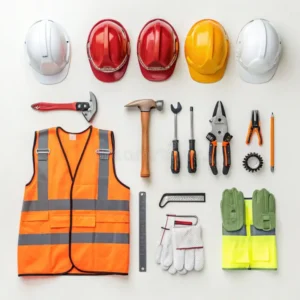
Construction tools and machinery represent a major investment, making them prime targets for theft.
-
Store portable tools in locked containers or sheds.
-
Mark equipment with identification codes or company logos.
-
Keep an updated inventory list using management software.
For floor construction projects, protecting flooring materials such as tiles, wood, and adhesives ensures quality control and prevents unnecessary costs.
5. Maintain Proper Lighting and Signage

Well-lit and clearly marked sites are safer and more secure.
-
Use LED lighting in entryways, storage zones, and pathways.
-
Display safety signs indicating restricted areas and hazards.
-
Ensure emergency exits are visible and unobstructed.
Good lighting discourages trespassing and helps workers move safely during early mornings or late shifts.
6. Enforce Safety and Security Training
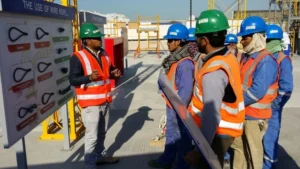
A secure construction site depends on well-informed workers.
-
Conduct regular safety and security training sessions.
-
Educate teams on emergency procedures and theft prevention.
-
Encourage employees to report suspicious activity immediately.
A trained and alert workforce reduces risks and strengthens overall workplace safety.
7. Prepare for Weather and Environmental Risks

Canadian weather can create additional site challenges.
-
Protect electrical equipment and flooring materials from rain or snow.
-
Secure scaffolding and temporary structures during high winds.
-
Ensure proper drainage to avoid flooding or erosion.
Being proactive with weather protection helps keep your construction site safe and your schedule on track.
8. Create a Culture of Accountability
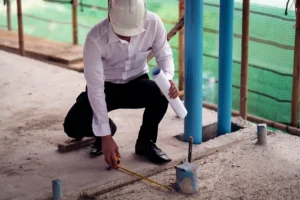
Security starts with leadership and teamwork.
-
Designate a site security manager to oversee compliance.
-
Conduct regular inspections and audits.
-
Recognise and reward teams for maintaining safety standards.
A security-first mindset ensures everyone—from management to labourers—takes responsibility for site protection.
Effective construction site security combines physical safeguards, smart technology, and a strong workplace culture. By following these guidelines, construction companies—especially those in floor installation and finishing—can protect their workers, materials, and reputation.
Investing in proper site security not only prevents losses but also demonstrates professionalism, reliability, and commitment to excellence in Canada’s competitive construction industry.
xbuild
August 11, 2024This is exactly what I needed! Your post addressed some of the challenges I’ve been facing, and your solutions are spot on. The examples you provided were clear and relatable. I’m excited to put this knowledge to use—thanks for the valuable insights!
xbuild
August 11, 2024Thank you! I’m glad the post was helpful for you. If you have any more questions as you apply the ideas, don’t hesitate to ask!