Building a Secure Construction Site: Best Practices and Tips
1. Conduct a Comprehensive Risk Assessment
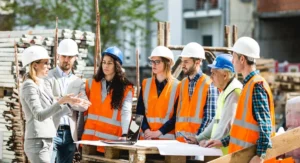
The first step in building a secure construction site is conducting a thorough risk assessment. Identify all potential hazards, such as falls, electrical risks, toxic substances, and fire hazards. Once risks are identified, develop a safety plan to mitigate these hazards. Regular inspections and updates to this plan are essential to maintaining a safe working environment.
2. Provide Ongoing Safety Training
One of the most important steps in preventing accidents is ensuring that all workers are properly trained in construction site safety. Workers should receive regular safety training that covers everything from proper use of personal protective equipment (PPE) to emergency procedures. A well-trained workforce is better prepared to handle hazards and respond quickly in the event of an emergency.
3. Implement Strong Site Access Control
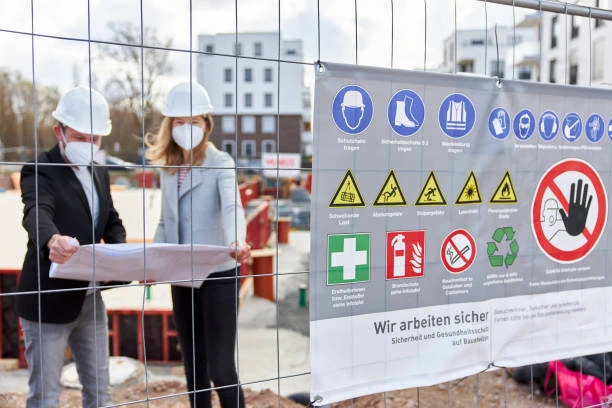
Controlling access to the construction site is crucial for maintaining a secure environment. Establish barriers and fencing to prevent unauthorized entry. Use ID badges and maintain visitor logs to track everyone who enters and exits the site. Clear signage should be posted to indicate restricted areas and warn workers of potential hazards.
4. Maintain Equipment and Tools Regularly
Regular maintenance of construction tools and equipment is critical to ensuring they function properly and safely. Broken or poorly maintained machinery can lead to accidents and project delays. Keep an up-to-date inventory of all equipment and conduct routine inspections to ensure everything is in safe working condition.
5. Establish Clear Emergency Procedures
Being prepared for emergencies is a cornerstone of a secure construction site. Develop and communicate an emergency response plan that outlines evacuation routes, designated assembly points, and actions to take during fires, medical emergencies, or other incidents. Conduct regular emergency drills to ensure that all workers are familiar with the plan and can act quickly in a crisis.
The Role of Technology in Enhancing Site Security

Technology plays a vital role in improving construction site security. The use of drones for aerial surveillance, motion sensors for monitoring, and construction management software helps identify risks in real-time and provides valuable insights for improving safety. These technologies allow for predictive safety measures, enabling construction managers to address potential issues before they become problems.
Building a Culture of Safety
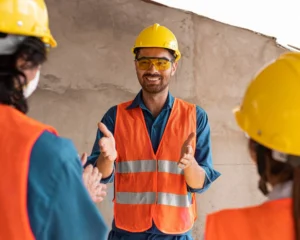
A culture of safety on-site goes beyond policies and practices; it involves fostering an environment where everyone prioritizes safety. Encourage open communication about safety concerns, and ensure that workers feel empowered to report hazards without fear of reprisal. By promoting a safety-first mindset, you can reduce the likelihood of accidents and improve overall productivity.
Secure Sites Lead to Successful Projects

Building a secure construction site is essential for project success. By following best practices for site security, from risk assessments to regular training and equipment maintenance, you ensure that workers are protected and the project proceeds without unnecessary delays. Investing in safety measures today helps protect your workforce and bottom line tomorrow.