
Top Strategies for Ensuring Construction Site Safety
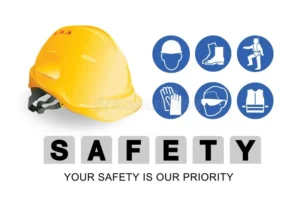
Safety is the foundation of every successful construction project. In the world of floor construction and general contracting, maintaining a secure, well-organised, and hazard-free environment protects workers, boosts productivity, and helps avoid costly delays. Below, we outline the top strategies for ensuring construction site safety and staying compliant with Canadian workplace safety standards.
1. Conduct Comprehensive Risk Assessments
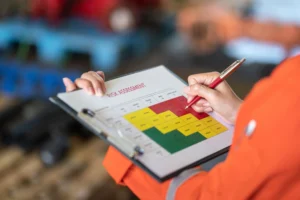
Before any construction work begins, it’s crucial to perform a detailed site risk assessment. This process helps identify potential hazards such as uneven surfaces, electrical risks, or unsafe equipment handling.
-
Evaluate the site layout, terrain, and access points.
-
Inspect all tools, machinery, and lifting equipment.
-
Establish a clear emergency response plan.
A well-documented assessment allows project managers to implement preventive measures, ensuring the floor construction site operates safely from the outset.
2. Provide Ongoing Safety Training
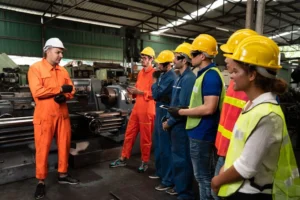
Safety training should be a continuous process, not just a one-time session. Regular education ensures that all workers remain up to date with Canadian construction safety regulations and best practices.
-
Offer refresher courses and toolbox meetings.
-
Emphasise proper use of personal protective equipment (PPE).
-
Highlight safe material handling and fall prevention techniques.
In any construction environment, trained employees are your first and best defence against accidents.
3. Enforce Proper Use of Personal Protective Equipment (PPE)

From hard hats to steel-toed boots, PPE is a cornerstone of workplace safety. Employers must both supply and enforce proper use of this equipment. For flooring and construction crews, appropriate PPE may include:
-
Gloves and knee pads for tiling, cutting, or concrete work.
-
Safety goggles to protect against dust and debris.
-
High-visibility clothing for improved visibility on-site.
Promoting a culture of safety compliance helps reduce injuries, maintain worker confidence, and demonstrate company integrity.
4. Maintain a Clean and Organised Work Area
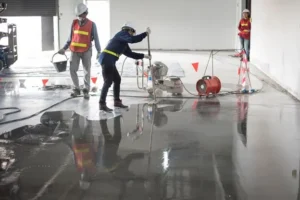
A tidy job site is a safer and more efficient one. Regular cleaning and organisation are particularly important in floor construction projects, where clutter can quickly lead to tripping hazards.
-
Schedule daily site clean-ups.
-
Label storage zones and disposal areas clearly.
-
Remove unused materials and waste promptly.
A clean construction site not only prevents accidents but also reflects professionalism and care—qualities clients value highly in any Canadian construction firm.
5. Use Technology to Enhance Safety Monitoring

Modern construction site safety management benefits greatly from innovative technologies. Drones, sensors, and mobile apps can track environmental conditions, monitor worker safety, and provide real-time compliance reports.
-
Use digital inspection checklists.
-
Implement wearable devices to detect fatigue or exposure risks.
-
Integrate safety data into your project management systems.
By embracing technology, construction companies can minimise risks and maintain full transparency with workers, clients, and regulators.
6. Foster a Safety-First Culture
Ultimately, construction site safety depends on more than just rules—it depends on culture. Supervisors and team leaders must model safe behaviour, communicate openly, and empower workers to report hazards without fear of blame.
A safety-first culture fosters accountability, teamwork, and long-term success across all levels of your organisation.
Prioritising construction site safety is a long-term investment in both people and performance. Whether you’re managing a small flooring project or a large-scale build, following these strategies helps protect workers, ensure compliance with Canadian standards, and keep projects on schedule.
At the end of the day, safety isn’t just good practice—it’s good business.